Green-to-Clean Recovery
Algae removal, filtration correction, and a chemistry rebuild for pools that have turned.
Learn more →Palm Beach County, FL
A single South Florida storm can undo a month of steady pool care. Wind loads the water with leaves, palm fronds, seed pods, mulch and roof grit; rain dilutes sanitizer and drags pH and alkalinity out of range; and everything organic that settles on the floor starts consuming chlorine immediately. Storm cleanup is a scheduled catch-up visit, not an emergency call: we clear the debris, get the surfaces and baskets clean, check that the filter and circulation are keeping up with the extra load, then test the water and rebalance it so the pool recovers instead of turning cloudy or green over the following days.
Do You Need This?
What's Included
Our Process
Large material comes out before anything else. Dosing chemicals into a pool full of organic debris just burns product, because the debris consumes sanitizer faster than it can work on the water.
Brushing, vacuuming and clearing baskets follow, then we check filter pressure and flow. A storm load is exactly when a filter falls behind, and cloudy water afterward is often a circulation problem rather than a chemistry one.
Heavy rain changes the chemistry of the whole body of water. We take a full panel — chlorine, pH, alkalinity, stabilizer and, on salt pools, salt — rather than assuming pre-storm numbers still apply.
Chemistry is corrected toward normal range and you get the readings in writing. If the water needs a second pass in a few days to fully clear, we say so instead of leaving it looking half-done.
Why It Matters
Local Conditions
Palm Beach County gets two distinct versions of this problem. Summer afternoon storms arrive almost daily from June through September — individually small, but they dilute chemistry over and over and keep pushing organic material into the water. Then there are the named systems and strong frontal winds, which strip fronds, seed pods and mulch into pools all at once and can leave the water above the skimmer line for days. Properties near the Intracoastal and the coast also collect wind-driven sand and salt spray, which settles into the tile line and adds grit to the filter load.
Scope
Questions
As soon as it is safe and we can schedule it. Organic debris left in warm water starts consuming chlorine and staining surfaces within days, so the sooner it is out, the less recovery work the water needs.
Often the water level simply needs to come back down below the skimmer mouth so circulation works properly, and then the chemistry gets corrected for the dilution. We assess on site rather than assuming a drain is necessary.
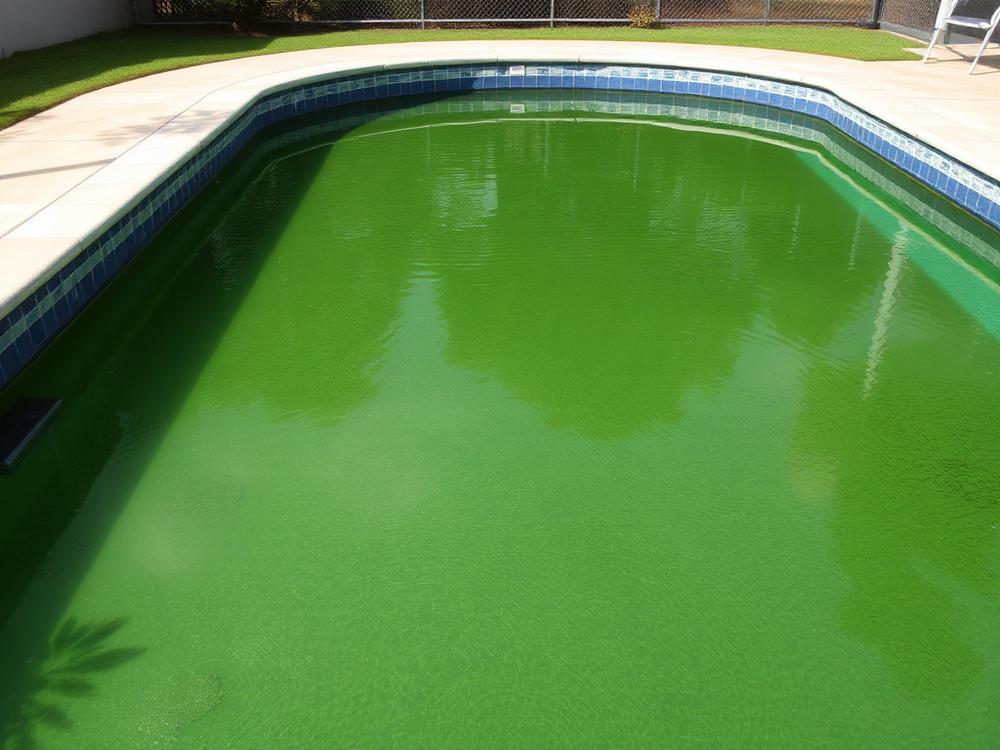
Sometimes. Debris-heavy but still-clear water usually recovers in one visit. If the water has already gone cloudy or green, recovery takes multiple visits and is closer to our green pool recovery work.
No. We clean the pool and report what we observe. Damaged pumps, panels, cages or structures need a licensed repair contractor, and we will tell you what we saw so you can call one.
Coverage
Algae removal, filtration correction, and a chemistry rebuild for pools that have turned.
Learn more →A set service day for skimming, brushing, baskets, filter checks, testing, and balancing.
Learn more →Cartridge, DE, and sand filter cleaning to restore flow and fix stubborn cloudiness.
Learn more →Next Step
Send the details and we will follow up to arrange a look at the property and give you a personalized price.